
Services
Autonomous posture regulation (APR)
Autonomic Nervous System: Key to Health Balance
The autonomic nervous system is essential for sustaining overall health and is intricately connected to both the emergence and advancement of disease.
Maintaining equilibrium between its sympathetic and parasympathetic branches is vital for physical and mental well-being. When this balance is disrupted, a wide range of health issues may arise.
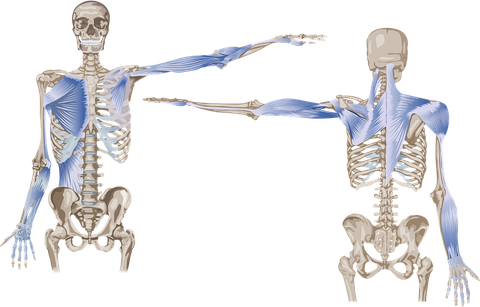
Back to your center – from head to toe with APR
Modern life is dominated by sympathetic stimulation, where countless disruptive factors—from environmental stressors to emotional strain—impede our ability to maintain or regain health. Inflammation and persistent stress, whether physical or psychological, are often linked to an overactive sympathetic nervous system.
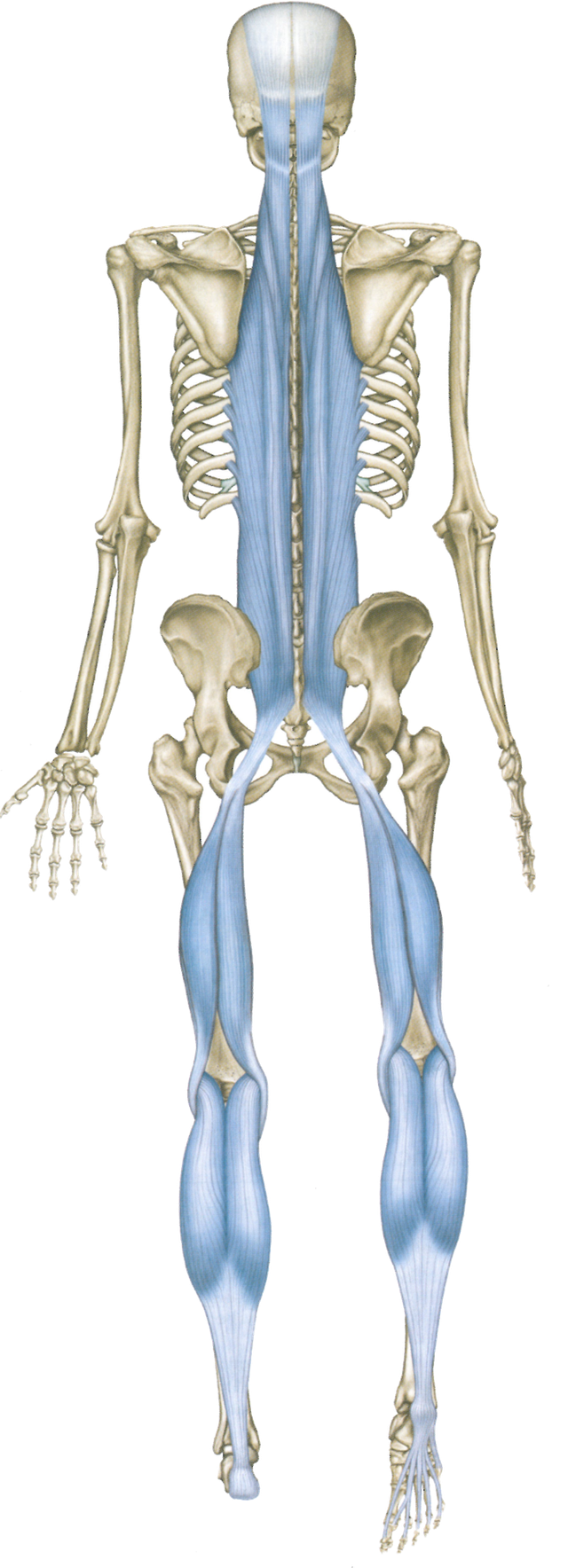
Following trauma, the body’s myofascial system instinctively contracts, leading to elevated internal tension and obstructed energy flow. This reaction destabilizes a person’s core—compromising posture and interrupting natural, self-regulated breathing. Our “body memory” stores unresolved trauma within the fascia, and releasing these imprints is essential for healing. This is where Autonomous Posture Regulation (APR) comes into play.
What is Autonomous Posture Regulation (APR)
APR is a method that assesses and trains how the autonomic nervous system (ANS) responds to postural and movement changes (e.g., going from lying to standing, rotating the trunk, shifting balance). It combines aspects of:
- Neuromuscular posture regulation
- Autonomic reflex testing
- Functional movement integration
Essentially, it evaluates how the body’s posture-motor system and autonomic regulation system coordinate with each other, and then uses specific stimuli (vestibular, proprioceptive, visceral) to re-train dysfunctions.
By improving the alignment between posture control and autonomic regulation, APR can help with:
- Dysautonomia symptoms: orthostatic intolerance, dizziness when standing, poor recovery
- Chronic pain linked to posture and autonomic stress (e.g., back/neck pain, tension)
- Sports performance: better autonomic-motor coordination, improved movement patterns
- Neurovegetative stress loads: fatigue, disturbed sleep, imbalance between sympathetic and parasympathetic tone
- Rehabilitation after injury: helping restore reflexive posture-ANS links
What makes APR unique is its ability to address these blockages through the nervous system using targeted manual techniques. This regulation is vital, as the link between the myofascial system and chronic conditions—such as migraines, vertigo, digestive issues, hypertension—and psychological challenges like depression and emotional trauma is profound.
Potential Benefits of Autonomous Posture Regulation Support
Autonomous Posture Regulation can play a highly beneficial role across a broad spectrum of physical, emotional, and neurological conditions, including:
Persistent or recurring tension and pain
Sleep disturbances, depressive states, and burnout symptoms
Deep-rooted emotional trauma and unresolved psychological stress
Post-COVID, Long-COVID, and chronic fatigue syndrome (CFS)
Neurological challenges such as migraines, tinnitus, and anxiety
Heart-related issues including arrhythmias, elevated blood pressure, and palpitations
Hormonal imbalances and fertility difficulties
Oral behaviors and conditions such as teeth grinding, mouth breathing, and snoring
Impaired lymphatic flow and reduced detoxification capacity
Disorders of the nervous system
Attention-related conditions like ADD and ADHD
Digestive irregularities and bladder irritability
Through targeted manual techniques, the focus is on stimulating the parasympathetic and vagus nervous systems. This approach promotes deep regulation via autonomous breathing, facilitating release within the myofascial system and helping individuals reconnect with their physical and energetic center.